
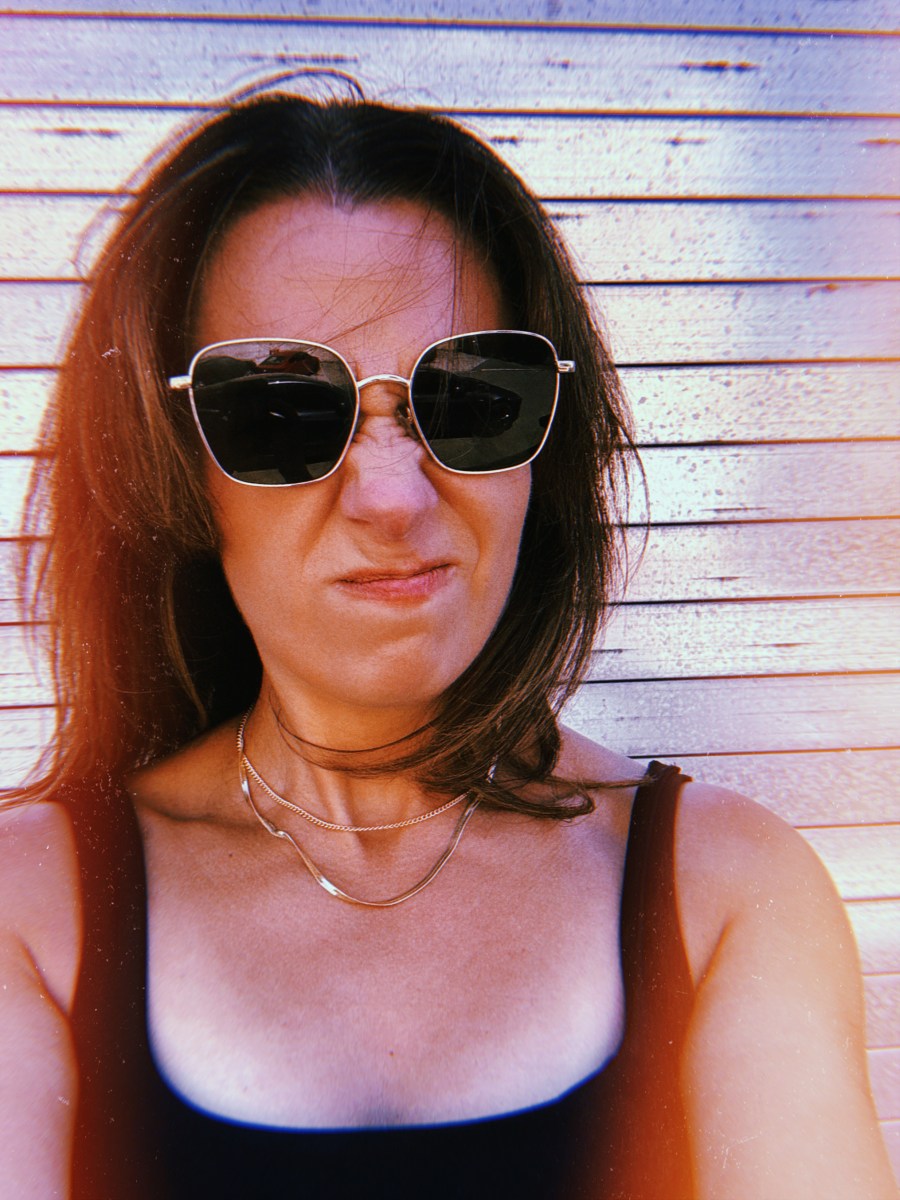
Having recently relapsed on alcohol, I was starkly reminded of just how bad a drunk I am. Seriously, it’s a spectacle. I turn into a walking emotional liability. I already cry a lot. Drinking just makes it less optional.
Having said this, you’d probably expect me to say alcoholism is worse than kratom… especially since most people don’t even know what kratom is (though thankfully that’s starting to change). But honestly? I don’t know which is worse. It doesn’t really feel like picking sides, more like comparing two very different kinds of mess.
Immediate vs. Gradual Consequences
Alcohol hits hard and fast. The fallout shows up right away—fights with friends and family, trouble at work, even run-ins with the law. My relationship with drinking left a trail of damage. I didn’t wake up one day suddenly addicted, but the consequences showed up long before the real spiral began.
Kratom is slower. It sneaks in, almost quietly. It didn’t wreck my friendships, but it did put a real strain on my marriage. I didn’t lose jobs or end up in court, but I did dig myself into financial holes and carry around a lot of emotional weight.
If I had to compare the two, alcohol feels like a panic attack—loud, chaotic, impossible to ignore. Kratom is more like chronic depression—quieter, heavier, and easier to hide in the moment. Neither is a good option. You just don’t get a prize for surviving one over the other.
The Jekyll and Hyde Effect
Kratom never really changed who I was. Alcohol, on the other hand, turned me into a full Jekyll-and-Hyde situation. With kratom, it wasn’t that—I was still me—but it dragged me into a depression so deep it ate away at everything. Alcohol blew things up right in front of me, but kratom was the loneliest experience I’ve ever had. Try explaining to people that you’re falling apart because of something they’ve never even heard of. At least with alcoholism, people recognize the word.
When I did open up, friends would shrug and say, “Well, at least it’s not alcohol.” And I’d sit there thinking, “Yeah… I guess?” It’s strange, comparing one addiction to another, like I’m weighing them on a scale. But that’s the reality—two completely different nightmares, and somehow I lived through both.
Quitting: A Tale of Two Addictions
When I quit drinking, I pushed through the first 24 to 48 hours and then I was basically fine. No AA, no sponsor—just therapy, willpower, and vibes. was so determined that being around alcohol didn’t even faze me. When I decided I was done, I was done.I almost checked into rehab once, but I freaked out during detox and left. I wasn’t ready yet, and I knew it.
Kratom was a whole different beast. Even when I was ready—really ready—my determination meant nothing. Quitting felt like actual hell. I only went cold turkey once, on my honeymoon of all times, and it was a nightmare. Sweating, depression, insomnia, restless legs, the full package. Truly a romantic getaway.
And the fun didn’t stop there. Once the physical part was over, my serotonin and dopamine were basically in shambles. About 30 days later it somehow got worse, thanks to PAWS (Post-Acute Withdrawal Syndrome). I got stuck in a cycle of quitting and relapsing on kratom, even while on Suboxone, which is not a great place to be. It made me feel like a hardcore addict for something you can buy at 7-Eleven.
Eventually, I got so fed up with the cycle that I went back to alcohol. Not exactly a gold-star decision, but it forced the kind of intervention I needed. So, do I regret it? Not completely.
The Trolls Come Out
Once people started to learn about kratom, the trolls emerged. They made it seem like we were trash for getting addicted to something from a gas station. Just to clarify, that’s not where I picked up my kratom habit, but once I needed more and more, the convenience of smoke shops and gas stations became my go-to. I felt like people thought I was trashy for being addicted to it. The irony is that kratom is marketed as a “healthy” alternative—to coffee, to alcohol. A mood boost, a little energy, a better option than drinking. Perfect bait for someone like me, just looking for relief. In reality, what they did was target vulnerable people, call it wellness, and cash in when they get addicted.
Then there are the pro-kratom advocates, which makes navigating this whole situation even trickier. The substance has had such a profound negative impact on my life while seemingly being positive for others. For the record, I don’t think kratom shouldn’t be banned, but it definitely needs regulation, especially extracts like “Feel Free” and “7-Oh.”
Final Thoughts
So while I’m mostly focusing on kratom since that’s what’s fresh in my mind, I can’t forget that I did recently relapse on alcohol. It took five years to get there, and strangely, that’s part of why I feel more solid in my sobriety now. I don’t have that voice in my head anymore—the one that used to wonder if maybe I could drink again someday and be fine. I can’t.
Alcohol created reckless situations that kratom never did. But kratom drained me in a different way. It left me hollowed out, with suicidal ideations I had never felt before, which was unsettling after all the progress I’d made once I quit drinking.
This comparison doesn’t really give me an answer. It just reminds me that addiction, in any form, strips you down until there’s not much left.
 SweenXiety