About a month before my six year soberversary, I relapsed on alcohol.
It wasn’t pretty. I don’t love admitting it, but it happened.
At the time, I was desperately trying to fight my cravings for kratom. In my infinite wisdom, I decided alcohol might dull my need for it. The irony here is that I originally found kratom while researching alternatives to alcohol, so my “alcohol alternative” eventually led me straight back to alcohol.
A beautiful little circle of terrible decision making.
After that relapse, I didn’t drink again for almost another year. I wanted to believe it had been a one time disaster. Maybe it had simply been a harsh reminder that alcohol and I are still not on speaking terms.
Then life stopped going according to plan (naturally).
Some personal problems came up, as they do, and a major life milestone I thought was finally going to be mine was ripped away at the last minute. I did not handle it particularly well. Around the same time, I relapsed on kratom again.
Alcohol slowly followed.
Looking back, I think that first alcohol relapse had cracked something open in me. For almost six years, I had seen myself as this incredibly strong, resilient woman who could bulldoze her way through anything. Once I relapsed, I didn’t feel like her anymore.
But maybe that was part of the problem.
I had treated sobriety like an endurance event. I never built much of a recovery plan or learned actual skills for handling cravings and dealing with the parts of my past I’d rather ignore. I just put my head down, gritted my teeth and kept going.
My entire strategy was basically: bull through it until further notice.
Well, further notice arrived.
This relapse didn’t end after one ugly night or one bad week. It became a bender, then the bender became a cycle. Some days I wouldn’t drink and would go back to kratom, telling myself it was the better option. Other days I drank because I had decided alcohol was somehow better than kratom.
On particularly chaotic days, I used both because by then all remaining logic had left the building.
I completely lost my sense of what an “appropriate” time to drink was, which, for me, is never. There were no appropriate times. That answer had already been established years ago, but I decided to conduct the experiment again anyway.
The results were still bad.
I was struggling at work, my marriage was suffering and I was becoming increasingly isolated and depressed. After a while, I started to believe things weren’t going to get better. Maybe this was just who I was now, someone trapped in a cycle of quitting, relapsing and apologizing.
Eventually, I had to admit that my recovery plan of stubbornness and vibes was no longer working.
I found a therapist who worked with addiction and helped people make sense of old patterns. My thinking was pretty simple: if I could finally process some of my shit instead of repeatedly trying to outrun it, maybe I wouldn’t be so likely to relapse whenever life went off script.
I also took a job closer to home with fewer hours. Nothing magically changed overnight, but I started making choices that felt more sustainable and hoped the rest would follow.
Meanwhile, my running had fallen apart.
It had been going downhill since the Brooklyn Half Marathon, which came less than a month after one of my best half-marathon performances. The difference between those two races was hard to ignore.
Then came the summer race series. Some races went okay. Others did not. I’m also pretty sure I competed in one while I was still drunk.
How I managed to finish it, I genuinely do not know. It was another clear sign of just how far things had slipped. The human body is capable of incredible things, although I’m fairly certain this is not what inspirational running quotes are referring to.
I knew I needed a real plan, both for my sobriety and for my running. I wanted to rebuild my health and find my way back to the version of myself who had once felt strong.
So, naturally, I decided to document the process while training for my next race, a popular local 10K that was only one month away.
Because nothing says “gentle return to healing” quite like giving yourself a deadline.
Luckily, I’m pretty stubborn about working out. Even during my bender, I hadn’t missed too many workouts, although the quality of those workouts is questionable. I was still showing up to the gym and getting my runs in.
I just felt terrible doing them.
Once I stopped drinking, my actual sober training began. Even though I had kept working out throughout everything, I could feel what those months had done to my body. I felt sluggish and puffy, and I’d gained about ten pounds. Every run seemed much harder than it should have been.
I was also carrying around the feeling that I had failed again, even though getting sober and starting over meant I was actively trying to fix it.
My brain wasn’t interested in giving me credit for that part.
I also hate downtime, so if I had an empty hour, I filled it. The gym. Pilates. Running. Yoga. I was doing something almost every day and giving myself very little time to rest.
Staying busy felt safer than sitting alone with my thoughts. It was probably also one of the reasons my runs felt so awful.
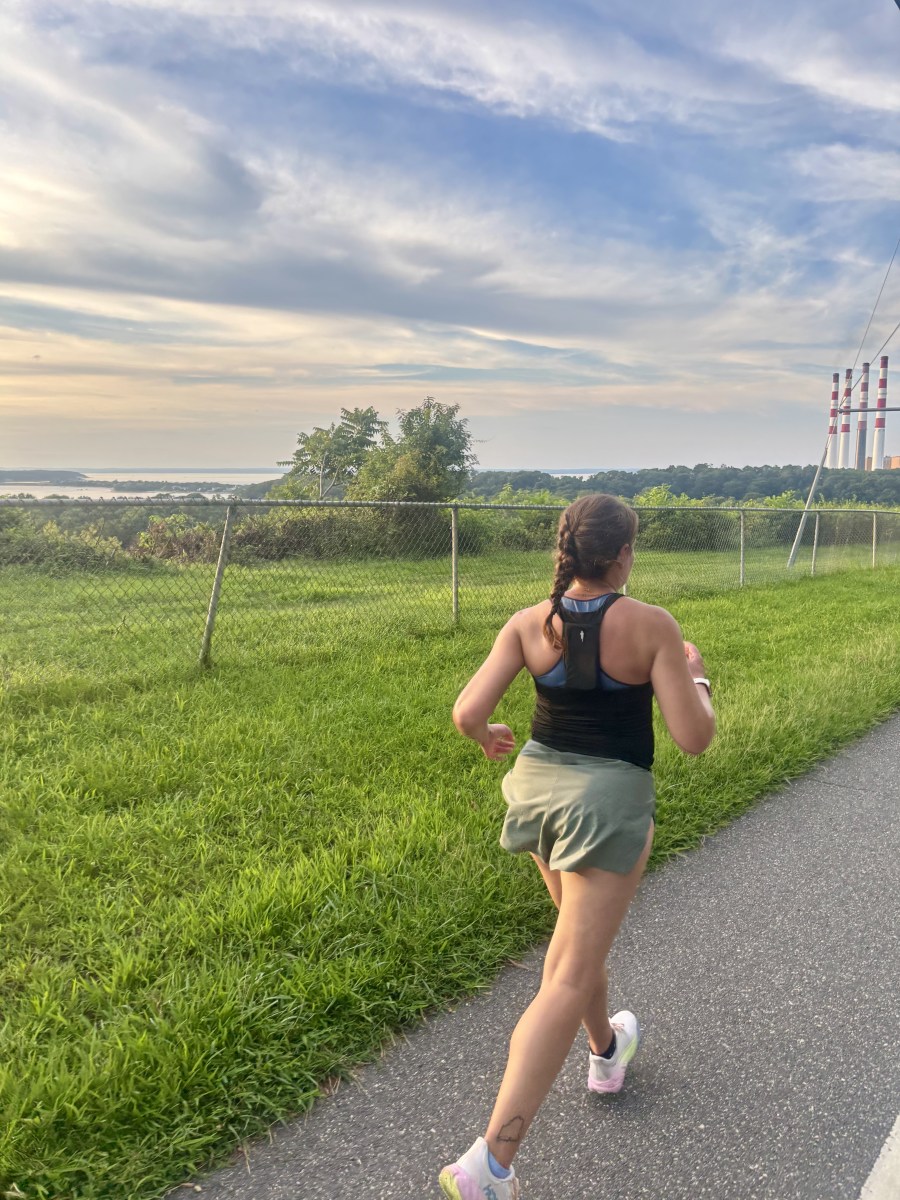
Despite working out constantly, I was running a little under 20 miles a week and couldn’t shake the sluggishness. Still, I kept going. I practiced the 10K course almost every week, hoping it would eventually start to feel easier.
It never did.
Actually, I felt worse each time.
Then my Achilles started hurting. Naturally, I immediately blamed the ten pounds I’d gained. I don’t know whether that had anything to do with it, but I was already feeling bad about my body, so that was where my brain went.
Working out had helped me mentally, but physically, I was worn down. I hadn’t given my body any chance to catch up. I finally decided to take a much easier week as a taper going into the race.
Still, I wondered whether a few easier days could undo weeks of pushing myself close to burnout.
I had trained for the race, but I didn’t feel completely prepared. All those slow, sluggish miles had affected my confidence. Even so, I was aiming to average under an 8:30 pace.
My biggest problem in races is that I tend to go out way too fast, so I knew I had to control myself during the first mile. That mattered even more on this course because mile two included the infamous uphill the race is known for.
I ran the first mile in 7:53.
A little faster than planned, yes, but nowhere near my usual opening-mile blowout. Since I already expected mile two to be slower because of the hill, I figured the two would balance each other out.
By mile three, I had settled in and was right around my target pace.
Then I started losing it.
Maybe I could have held on if I hadn’t been training so close to burnout. Maybe I needed more mileage, or faster mileage, or simply more time for my body to recover from the relapse.
There were plenty of possibilities to spiral about while actively trying to run a 10K.
About three-quarters of the way through the race, I knew my original goal was slipping away. I adjusted my race plan and tried not to let it get into my head. Mile five ended up being my slowest mile, even slower than the one with the infamous hill.
Rude.
I still refused to completely give up. Through the final mile, I kept myself at more of a tempo effort and wouldn’t let myself slow to a walk or fall into what I call the Sweeney Shuffle. That’s when my body is technically moving forward, just without any real sense of urgency.
If I wasn’t going to hit my original goal, I was at least keeping my overall pace under nine minutes.
I finished with an average pace of 8:43 per mile. My time was about two minutes slower than the year before.
It wasn’t what I wanted.
I tried not to be disappointed, but honestly, it was hard. Then I had to ask myself what I had really expected. Did I genuinely think my body would be back in peak shape after everything I had put it through?
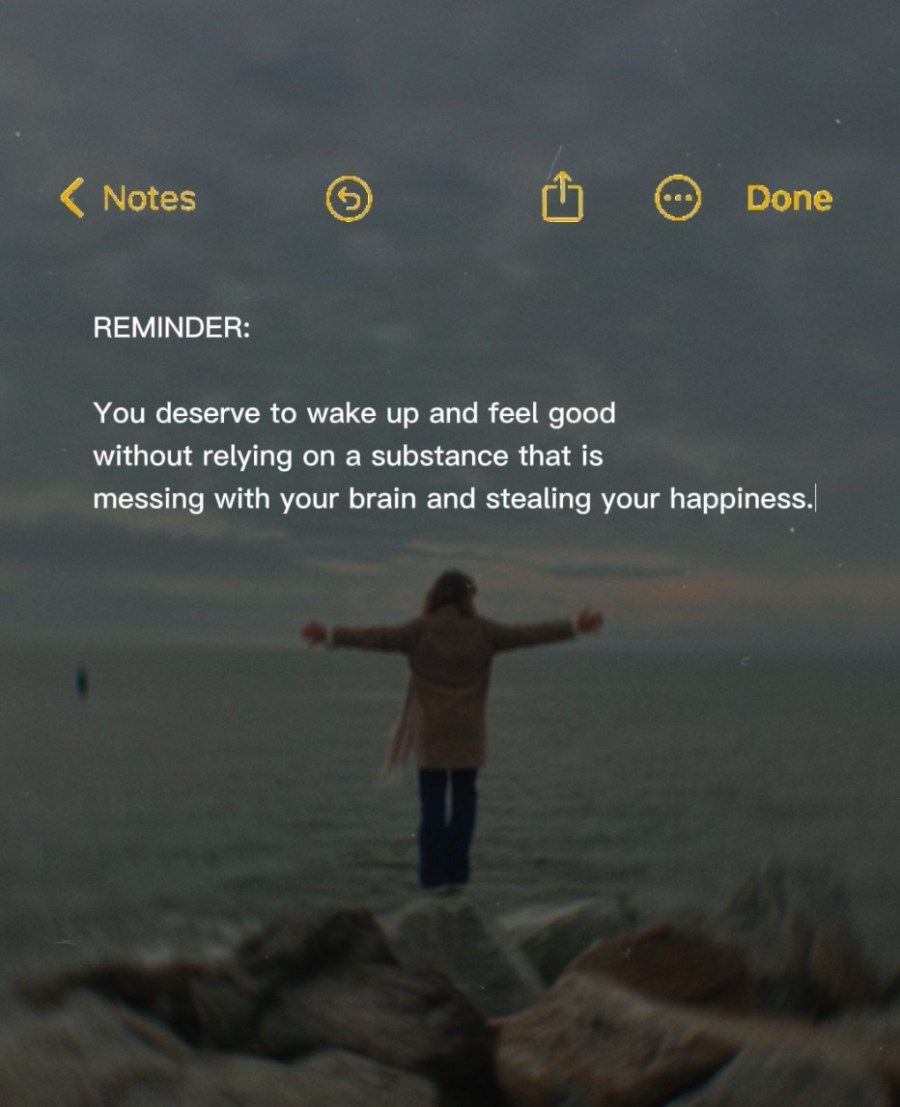
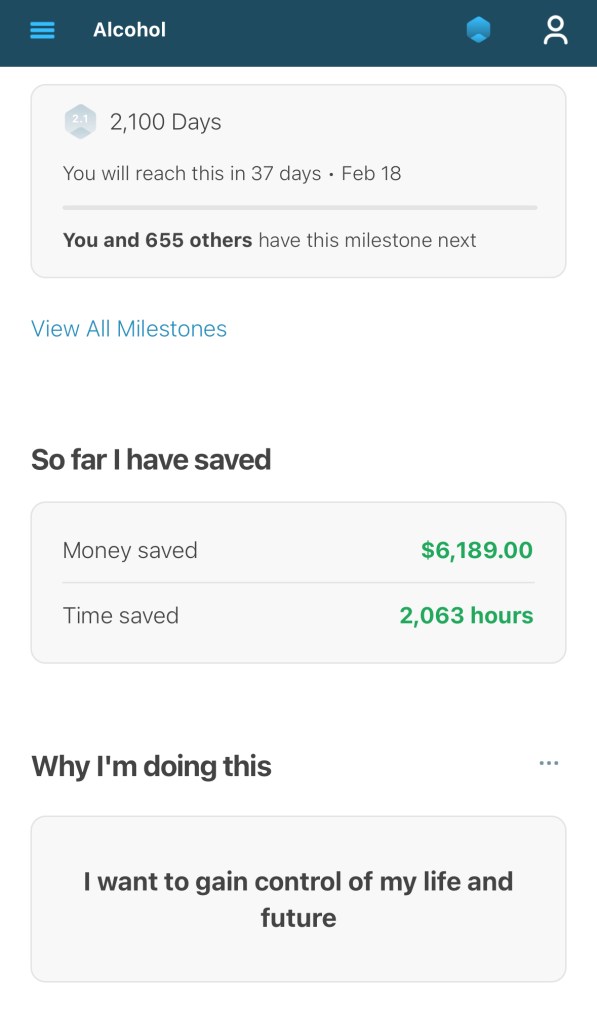
Race day also happened to mark 30 days without alcohol or kratom. My body was still recalibrating, and no amount of impatience was going to change that. The finish time wasn’t what I wanted, but reaching 30 days and recommitting to my sobriety mattered more.
My body wasn’t back yet. It also wasn’t stuck.
It was recovering.
Maybe my comeback wasn’t happening as quickly as I wanted, but it was happening, and I had to learn to be okay with that. I also learned that I couldn’t force my body to recover faster by pushing it harder.
As it turns out, the body does not respond to bullying.
Some things simply need time.
So, I’m going to keep moving in this direction. Maybe I’m not hitting all my race milestones yet, but I’m hitting sober milestones again.
For now, that is enough.
I’ve found my footing, and I refuse to move backward.
Only forward, no matter the pace.