Today I will not stress over things I cannot control
Author: KSween
Kristen Mary of the House Sweeney, Billionth of her name, the Uncalm, Queen of Anxiety, Khaleesi of the Great Cat Phoebe, Breaker of Social Stigmas and Mother of Kitties.
Having recently relapsed on alcohol, I was starkly reminded of just how bad a drunk I am. Seriously, it’s a spectacle. I turn into a walking emotional liability. I already cry a lot. Drinking just makes it less optional.
Having said this, you’d probably expect me to say alcoholism is worse than kratom… especially since most people don’t even know what kratom is (though thankfully that’s starting to change). But honestly? I don’t know which is worse. It doesn’t really feel like picking sides, more like comparing two very different kinds of mess.
Immediate vs. Gradual Consequences
Alcohol hits hard and fast. The fallout shows up right away—fights with friends and family, trouble at work, even run-ins with the law. My relationship with drinking left a trail of damage. I didn’t wake up one day suddenly addicted, but the consequences showed up long before the real spiral began.
Kratom is slower. It sneaks in, almost quietly. It didn’t wreck my friendships, but it did put a real strain on my marriage. I didn’t lose jobs or end up in court, but I did dig myself into financial holes and carry around a lot of emotional weight.
If I had to compare the two, alcohol feels like a panic attack—loud, chaotic, impossible to ignore. Kratom is more like chronic depression—quieter, heavier, and easier to hide in the moment. Neither is a good option. You just don’t get a prize for surviving one over the other.
The Jekyll and Hyde Effect
Kratom never really changed who I was. Alcohol, on the other hand, turned me into a full Jekyll-and-Hyde situation. With kratom, it wasn’t that—I was still me—but it dragged me into a depression so deep it ate away at everything. Alcohol blew things up right in front of me, but kratom was the loneliest experience I’ve ever had. Try explaining to people that you’re falling apart because of something they’ve never even heard of. At least with alcoholism, people recognize the word.
When I did open up, friends would shrug and say, “Well, at least it’s not alcohol.” And I’d sit there thinking, “Yeah… I guess?” It’s strange, comparing one addiction to another, like I’m weighing them on a scale. But that’s the reality—two completely different nightmares, and somehow I lived through both.
Quitting: A Tale of Two Addictions
When I quit drinking, I pushed through the first 24 to 48 hours and then I was basically fine. No AA, no sponsor—just therapy, willpower, and vibes. was so determined that being around alcohol didn’t even faze me. When I decided I was done, I was done.I almost checked into rehab once, but I freaked out during detox and left. I wasn’t ready yet, and I knew it.
Kratom was a whole different beast. Even when I was ready—really ready—my determination meant nothing. Quitting felt like actual hell. I only went cold turkey once, on my honeymoon of all times, and it was a nightmare. Sweating, depression, insomnia, restless legs, the full package. Truly a romantic getaway.
And the fun didn’t stop there. Once the physical part was over, my serotonin and dopamine were basically in shambles. About 30 days later it somehow got worse, thanks to PAWS (Post-Acute Withdrawal Syndrome). I got stuck in a cycle of quitting and relapsing on kratom, even while on Suboxone, which is not a great place to be. It made me feel like a hardcore addict for something you can buy at 7-Eleven.
Eventually, I got so fed up with the cycle that I went back to alcohol. Not exactly a gold-star decision, but it forced the kind of intervention I needed. So, do I regret it? Not completely.
The Trolls Come Out
Once people started to learn about kratom, the trolls emerged. They made it seem like we were trash for getting addicted to something from a gas station. Just to clarify, that’s not where I picked up my kratom habit, but once I needed more and more, the convenience of smoke shops and gas stations became my go-to. I felt like people thought I was trashy for being addicted to it. The irony is that kratom is marketed as a “healthy” alternative—to coffee, to alcohol. A mood boost, a little energy, a better option than drinking. Perfect bait for someone like me, just looking for relief. In reality, what they did was target vulnerable people, call it wellness, and cash in when they get addicted.
Then there are the pro-kratom advocates, which makes navigating this whole situation even trickier. The substance has had such a profound negative impact on my life while seemingly being positive for others. For the record, I don’t think kratom shouldn’t be banned, but it definitely needs regulation, especially extracts like “Feel Free” and “7-Oh.”
Final Thoughts
So while I’m mostly focusing on kratom since that’s what’s fresh in my mind, I can’t forget that I did recently relapse on alcohol. It took five years to get there, and strangely, that’s part of why I feel more solid in my sobriety now. I don’t have that voice in my head anymore—the one that used to wonder if maybe I could drink again someday and be fine. I can’t.
Alcohol created reckless situations that kratom never did. But kratom drained me in a different way. It left me hollowed out, with suicidal ideations I had never felt before, which was unsettling after all the progress I’d made once I quit drinking.
This comparison doesn’t really give me an answer. It just reminds me that addiction, in any form, strips you down until there’s not much left.
May 21st was supposed to mark my 6-year soberversary from alcohol. Instead, I’m acknowledging a different milestone—about one month since my unexpected relapse. And trust me, no one was more surprised by this plot twist than I was.
What led to this unexpected detour? Well, it turns out my kratom addiction (which I’ve written about before) completely wrecked my body chemistry. When I finally quit kratom, my serotonin levels absolutely tanked. And I don’t mean just a little dip—I mean the lowest I’ve ever felt in my life.
On paper, my life was fine—great, even—but I felt worse than I ever had in my entire life. And I’ve been on antidepressants for years, so that’s saying something.
I later discovered I’m not alone—in recovery groups I’m part of, kratom users report suicidal ideation with alarming frequency, both while using and especially during withdrawal. The mental health impact of this substance is seriously underestimated.
For those unfamiliar, PAWS (Post-Acute Withdrawal Syndrome) is the gift that keeps on giving after you quit certain substances. Your brain chemistry goes haywire trying to rebalance itself, and it can last for months. Fun times.
In my infinite wisdom, I decided alcohol seemed like a safer alternative to going back to kratom. I told myself I could handle “just one” to take the edge off. Part of me even had been romanticizing my past reckless behavior, wondering if maybe, just maybe, I would be ok if I drank again one day.
What started as “just one drink to take the edge off” spiraled into a two-week bender. Maybe part of me thought that after almost six years, I could handle it. I couldn’t. The second alcohol hit my system, I became a completely different person—like Dr. Jekyll and Mr. Hyde, but with more drunk texting and fewer Victorian vibes.
I wish I could say I blacked out and don’t remember much, but no. I remember just about everything. And let me tell you, the embarrassment is strong. But in a weird way, I’m grateful for it. Seeing that version of myself again was a harsh but necessary reminder of why I quit drinking in the first place.
The truth is, I could have prevented this spiral if I’d been more honest—with myself, my doctors, and the people around me.
I had a suboxone doctor I’d only met with twice (virtually) who gave me way too many subs with little guidance. I was essentially making up my own dosing schedule (and often skipping doses because subs scared me). Meanwhile, I didn’t tell my regular psychiatrist about being on suboxone. I mentioned needing to up my antidepressants but didn’t explain why until it was too late.
I saw the train coming but didn’t move quickly enough to get off the tracks.
I’d gone on autopilot with my mental health—just going through the motions, not really engaging with the process or being honest about how I was truly feeling. That’s a dangerous place to be. Mental health requires constant vigilance and active participation, not passive management.
On the bright side—I’m about a month past that bender now, and I have zero desire to drink ever again. That little voice in the back of my head wondering if I could ever drink “normally” has been silenced for good.
I’m kratom and alcohol free, attending therapy more regularly, being transparent with my doctors, and I’ve adjusted my medication. The difference is night and day—I’m feeling 200% better. I’m not sure I’ve ever felt this… normal?
I also learned a lot about how people handle situations during this time. I’ve become extremely grateful to a handful of people who showed up for me in ways I never expected—especially my husband, who has dealt with quite a bit. Though I’m starting to remember that I too have a lot to offer and am deserving of that level of effort and compassion (even if I’m a little unhinged at times). When you’re vulnerable, it’s easy to let people into spaces they haven’t earned access to, but not everyone deserves that proximity to your healing process. And not everybody wants to be a part of it… and that is ok too. Find your people and move on. I’m so grateful to have found mine.
This experience taught me several important things:
You don’t need to be embarrassed by being on antidepressants. It’s not big pharma just trying to drug me up—imbalances exist, and it’s ok if you need assistance to feel your best.
I need to check in more with friends. I leaned heavily on some people during this time, and their support meant everything. But I also learned they were going through their own struggles—you truly never know what someone else is dealing with.
I can control whether I have that first drink, but once alcohol is in my system, all bets are off. And I hate who I am when I drink, so it’s a hard pass from me.
Never go on autopilot with your mental health. The moment you start disengaging from your own care is the moment things start to unravel.
Here’s the thing: relapse sucks. But it is a part of recovery. And when I did the math, I realized that if you include the six years from my original sobriety date and subtract those two weeks of my bender, I was still sober for 99.3% of that time. That’s pretty damn good.
So, I’m choosing to live without shame. I’m focusing on stabilizing, being honest, and just trying to be a good person. Here’s to starting the counter again. Regardless of the reasons or circumstances, I take full responsibility for my actions. Turning back to the bottle was a poor and unsafe choice—one I won’t make again.
Alright, let’s talk about that plant—the one I won’t shut up about because it completely took over my life. I’m 30 days into quitting it, and let me tell you, PAWS (Post-Acute Withdrawal Syndrome) is apparently a thing with this stupid plant. And it sucks. It really does. The initial high of quitting is gone, and so is the high of sharing my story with everyone. But I know it’s still important to talk about, especially when so many people have no idea what it even is.
Kratom. The “all-natural” miracle plant that’s marketed as the answer to everything: stress, energy, motivation, chronic pain, bad hair days, existential dread—you name it, and there’s someone out there hyping it up. If you believe the sales pitch, it’s like the Swiss Army knife of life hacks. But the reality? It’s more like a knockoff Prada bag from Canal Street. It might look legit at first, but give it time, and you’ll realize it’s just a cheap fake that falls apart and leaves you worse off than where you started.This is just some food for thought—and honestly, mostly a reminder for myself. Because this sucks. But it’s worth it. And it’s worth talking about.
Let’s get one thing straight: Kratom isn’t just some innocent little plant that stumbled out of the forest to save humanity. It’s not a cup of tea or a yoga class. It’s a substance that binds to your opioid receptors. Yea….those same receptors that heroin and prescription painkillers latch onto. Now, I’m not saying Kratom is exactly the same as those heavy hitters, but let’s be real—if it’s knocking on the same door as opioids, it’s not here to sell Girl Scout cookies. It’s here to screw with your brain chemistry. At first, it feels like a cheat code for life. You take a dose, and suddenly you’re awake, focused, maybe even a little zen. You’re thinking, Shit, this is amazing. Why didn’t I try this sooner? But here’s the thing: Kratom isn’t creating anything new. It’s not generating energy or happiness or motivation out of thin air. All it’s doing is poking your opioid receptors and tricking your brain into dumping out its reserves of dopamine, serotonin, and endorphins. And while that feels great in the moment, it’s basically like emptying your fridge and eating all the snacks at once. Sure, you’re satisfied for a hot second, but now you’re out of food and probably feeling a little guilty.
Here’s where Kratom really starts to show its true asshole nature. After that initial high, your brain realizes it just got robbed. It’s like, Oh crap, we’re out of dopamine? Better cut production to make sure this doesn’t happen again. So now your baseline levels of happiness, energy, and motivation are lower than ever. You wake up feeling foggy, restless, and about as functional as a soggy piece of bread. And what’s the only thing that seems to help? Yea, you guessed it—more Kratom.And that’s how it traps you. It’s not just messing with your brain—it’s rewiring it. The more you take, the more dependent you become. You’re not chasing a high anymore; you’re just trying to feel normal. And the doses? They keep getting bigger. The effects? They keep getting weaker. The side effects? Oh, they’re having a goddamn party. Nausea, brain fog, exhaustion—it’s like Kratom is throwing a rager in your body, and you’re stuck cleaning up the mess.
If you’re anything like me, this is the point where you start bargaining with yourself. Maybe I just need to switch strains. Maybe I need to time my doses better. Maybe I need to switch back from extracts to capsules. Well… none of that’s going to work. You’re not going to outsmart Kratom. It’s already ten steps ahead of you, laughing its leafy little ass off while it drains you dry. At some point, you’ll hit the wall. You’ll take your usual dose, and… nothing. No energy, no focus, no relaxation. Just nausea, exhaustion, and the creeping realization that you’ve been played. You’re not even taking it to feel good anymore—you’re taking it to avoid feeling worse. And that’s when it hits you: Kratom isn’t helping. It’s hurting. It’s not giving you anything. It’s stealing everything.
Here’s the cold, hard truth: Kratom will never satisfy you. It doesn’t matter how much you take, how carefully you time your doses, or how many Reddit threads you read about “strain rotation” and “tolerance breaks.” It will never be enough. Because it doesn’t have anything to give. It’s not a source of energy or happiness or motivation. It’s a parasite. It takes what’s already yours, drains it, and then sells it back to you in weaker and weaker doses. That boost you’re chasing? That was your natural energy. That calm you’re looking for? That was your body’s ability to relax on its own. Kratom didn’t create any of it—it just stole it, and now it’s holding it hostage. And the longer you stay on this ride, the worse it gets. Higher doses, shorter effects, more side effects. Until one day, you’re left with nothing. No energy. No motivation. No joy. No money. Just an exhausted, dependent body that doesn’t even feel like you anymore.
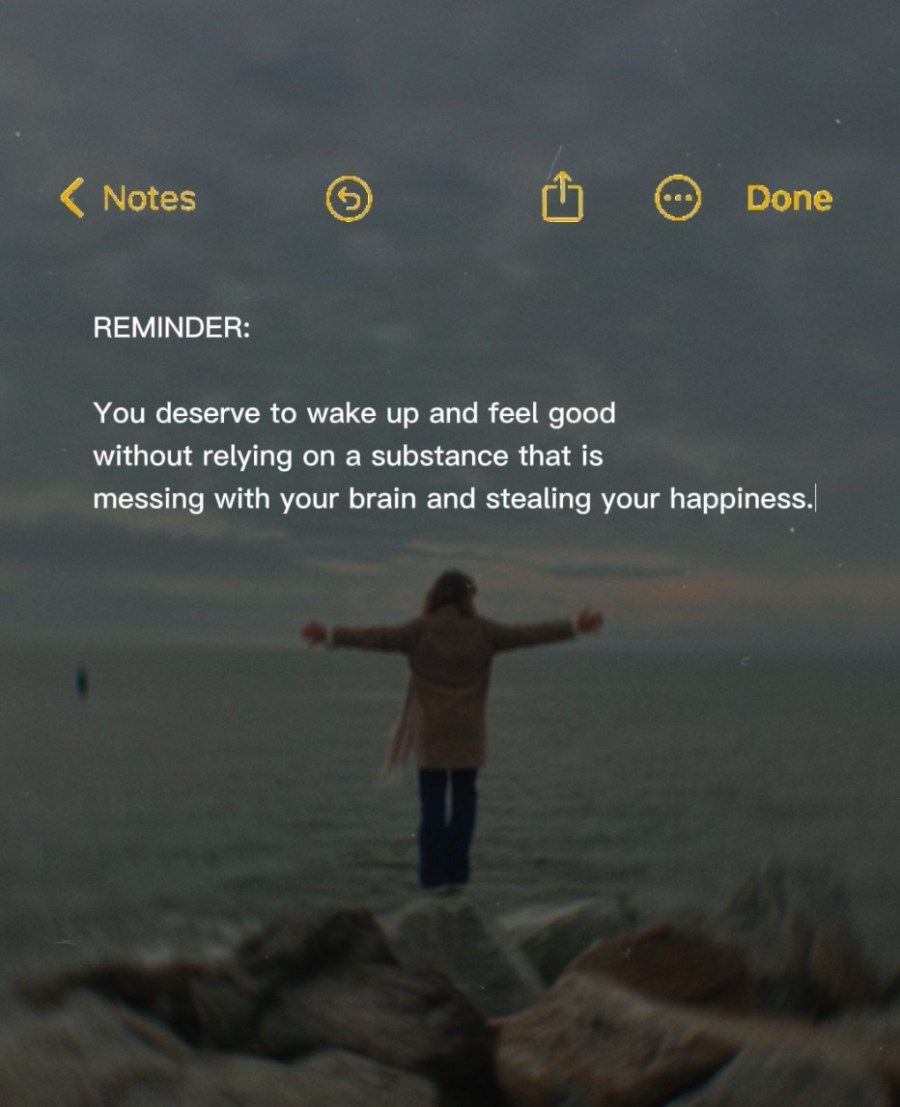
Look, I’m not gonna sit here and pretend walking away from Kratom is easy. It’s not. It’s hard as hell. But staying on this path? That’s a guaranteed dead end. And you deserve better. You deserve to wake up and feel good without relying on a substance that’s messing with your brain and stealing your happiness. So here’s the plan: take a deep breath, flip Kratom the bird, and start taking your life back. It’s not gonna be pretty, and it’s definitely not gonna be fun, but you’re worth the effort.
Well, it’s been a week since my last post, and I’m happy to report: I’m still off kratom/ Feel Free, officially making it past the one-week mark of my millionth quit. This time feels different, though—similar to when I finally quit alcohol for good. That same sense of finality is creeping in, and I’m cautiously optimistic.
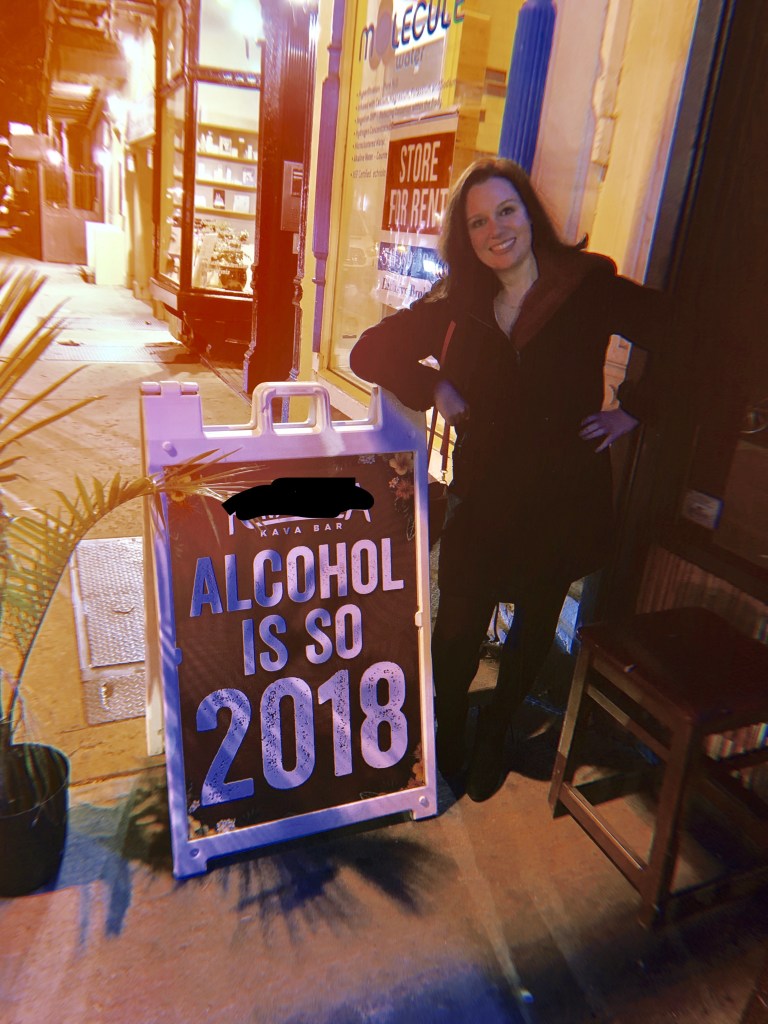
Before diving back into my story, I want to make something clear: I’m not on some crusade to ban kratom. I don’t support prohibition, but I do think people need to know what they’re getting into. Personally, I’d say stay the fuck away. That’s just me. Also, I hold no ill will toward my local kava bar—they were pretty transparent about the product, and I still think it’s a great alcohol-free space for those who want an alternative bar scene.
The Physical Toll
Let’s talk about some of the other side effects I didn’t mention last time. Besides the puking, kratom wreaked havoc on my skin. I got massive styes all the time and dry patches around my mouth that made me look like I’d been licking sandpaper. I also developed a pain in my lower left abdomen, eerily similar to the one I had during my drinking days. And while kratom sometimes helped my workouts, other times it felt like my body was completely failing me. I’d have to stop mid-run, and my husband—who knows how fit I usually am—would look at me like, “What the hell is going on?” Fun times, am I right?
Another factor that fueled my addiction? ADHD. I was diagnosed in 2019, and while Adderall helped at first, it gave me heart palpitations. Plus, knowing my addictive tendencies, I needed to be careful with controlled substances. When I switched my medication management to somewhere that didn’t allow Adderall prescriptions, I leaned hard into kratom, convincing myself it was one of the few things that could help me focus and stay energized. I convinced myself it was my lifeline. Spoiler: it wasn’t.
The Suboxone Chapter
When I left off last time, I had just started medication-assisted treatment (MAT) with Suboxone. For those unfamiliar, Suboxone is often used to treat opioid addiction by reducing cravings and withdrawal symptoms.* (Fun fact: kratom isn’t technically an opioid, but it binds to the same receptors, which is why Suboxone can still help.)*
Choosing Suboxone felt like a big step—some might even call it extreme—but I was fully informed and ready. My therapist had seen me at my worst during my alcohol addiction, and he said the reason he suggested Suboxone was because he’d never seen so much panic and desperation in my eyes before. I’m thankful I went with someone who had a conservative approach. My highest dose was just 2mg (for context, the standard dose for severe opioid addiction is 16mg).
At first, Suboxone was a godsend. I was able to quit kratom with minimal side effects, and it led to my longest quit yet—2.5 months. So, what happened?
The Perfect Storm
Well, life happened. The company I was working for suddenly moved me to part-time because they couldn’t afford a full-time marketer anymore. It wasn’t the worst thing at first—I applied for unemployment and spent my extra time job-hunting. But here’s the thing: I have never had an easy time holding down a job. During my drinking days, I’d get fired or quit constantly. After I quit alcohol, I’d finally landed some decent jobs, but thanks to COVID and layoffs, they all had short shelf lives.
When I lost my full-time role, I found myself with way too much idle time on my hands. And idle time, for me, is dangerous. I slipped back into kratom to keep myself motivated to do anything. At first, I’d take it during breaks from Suboxone, but eventually, I started taking them together. Yes, I know how insane that sounds. Suboxone is designed to block the effects of opioids (and, in theory, it should block kratom’s effects too), but I somehow convinced myself I’d still get the energy and focus—even if the euphoria was gone. Turns out, my brain is a liar.
Eventually, I landed a new job, but it came with a $17,000 pay cut. I took it out of sheer desperation, needing something—anything—to get back into a routine. Financially, it was a huge hit, and even though I was working again, I couldn’t keep up with my kratom habit. But that didn’t stop me. I started using money-borrowing apps like MoneyLion, sometimes juggling five at once. I opened a new credit card. I constantly asked my husband to help cover my overdrawn account—probably $1,000–$1,500 a month. I told him it was because my new salary couldn’t cover our bills. But I knew the truth.
Desperate for something better, I jumped at the first higher-paying opportunity I found. I ignored some glaring red flags—like the fact they didn’t want me to give a two-week notice at my current job—and took it anyway. It ended up being one of the worst culture fits I’ve ever experienced. The environment was toxic, the demands were either overwhelming or, worse, didn’t make sense. There was no proper training, I wasn’t even provided the tools I needed to do my job (like logins for the Instagram account I was supposed to manage), and the limited time off added to the frustration. I felt completely out of place—disheartened and defeated.
Between the pay cut from my previous job and the terrible fit of the new one, I was spiraling. I felt like I was going nowhere. My husband and I had been dreaming of buying a house, but here I was, drowning in debt, unable to go a week without borrowing money, and stuck in jobs that either didn’t pay enough or crushed my spirit. I felt so behind in life—like I’d never catch up.
The Mental Toll
I tried to quit Feel Free a few more times, but I always slipped back into my old habits by week two. Around this time, I started learning about PAWS (Post-Acute Withdrawal Syndrome). PAWS refers to withdrawal symptoms that kick in after the initial detox phase, typically within the first few weeks of sobriety, and can last for months—or even years. Symptoms include insomnia, anxiety, depression, fatigue, and irritability. It’s caused by brain chemistry changes from substance dependency, as your brain struggles to recalibrate without the substance.
Looking back, I’m pretty sure PAWS was a huge factor in my relapses. My quits usually lasted 1–4 weeks before the crushing depression would hit and send me spiraling back. It’s like your brain convinces you that the only way to feel “normal” again is to go back to the substance.
The depression was unbearable. I already have anxiety and ADHD and am prone to bouts of depression, so piling kratom withdrawal on top of that was a dangerous combo. I felt hopeless. There were days I genuinely didn’t think I could do it anymore. I wouldn’t say I was suicidal—death scares the shit out of me—but I did have passing suicidal thoughts. That should’ve been a wake-up call, but instead, I just kept spiraling.
Hitting Rock Bottom (again)
Between the toxic job and my kratom addiction, I hit my lowest point of isolation and depression. My husband started getting suspicious—why was I still asking for money when I had a new job? I felt like I was failing him. We’d been dreaming of buying a house together, but here I was, drowning in debt and unable to go a week without borrowing money. I felt so behind in life. Between this and my alcohol addiction, I was convinced I’d never catch up.
Only a few people knew I was still struggling with my addiction. It’s not like alcohol, where the problem is obvious to everyone around you. With kratom, I seemed totally normal to most people—if anything, they just noticed an uptick in energy. But the crashes, the depression, and the financial ruin? Those were harder to hide.
Once, I accidentally threw a full bottle of kratom into a public trash can. An hour later, I realized what I’d done and stuck my hand into the trash to fish it out. Because when you’re addicted, every $10 bottle counts.
The Turning Point
A week ago, I finally told my husband the truth. I had been planning to tell him for a while, but I kept putting it off, holding onto something he had said months earlier. In a moment of frustration, he told me he would never be able to understand if I relapsed again, especially after everything I knew about what kratom had done to me. I stewed over that offhanded comment for months, convinced I couldn’t tell him. But mostly, I think I was using it as an excuse.
My husband is literally one of the kindest people I know and has always tried so hard to be my rock. I think his comment came from a place of frustration and anger at what this product has put me through. He hates it because of how much pain it has caused me, and I don’t think he ever meant for his words to weigh so heavily on me. Of course, he also had no idea that I had already relapsed—multiple times.
Finally, during a drive to a family house for the weekend, I saw the opportunity and took it. I told him the truth. He was upset, understandably, but mostly he was supportive. We came up with a game plan to quit once and for all.
For me, disrupting my routine has always been key to quitting. Going away for the weekend was the perfect opportunity to break the cycle. I had a few Suboxone strips left and an upcoming appointment with my doctor. I’m hoping it’ll be my last.
Moving Forward
For the first time in years, I feel hopeful. My husband and I are working on a plan to get our finances back on track. I’ve also set up an appointment with my therapist to work through the anxieties and issues that make me so vulnerable to addiction.
Addiction is a sneaky bastard. Kratom and Feel Free promise energy and euphoria, but at what cost? For me, the cost was financial ruin, damaged relationships, and a mental health nosedive.
If you’re struggling, please know you’re not alone. Recovery is messy, but it’s worth it. If you’re struggling, please know you’re not alone. Recovery is messy, but it’s worth it. And if you’re considering kratom or spot those blue bottles at your local 7-Eleven? My advice: stay the fuck away.
Well, here we are again. Another year, another “oops, I forgot to cancel my website domain,” which means it’s time for me to share something deeply personal. Fuck it—let’s dive in.
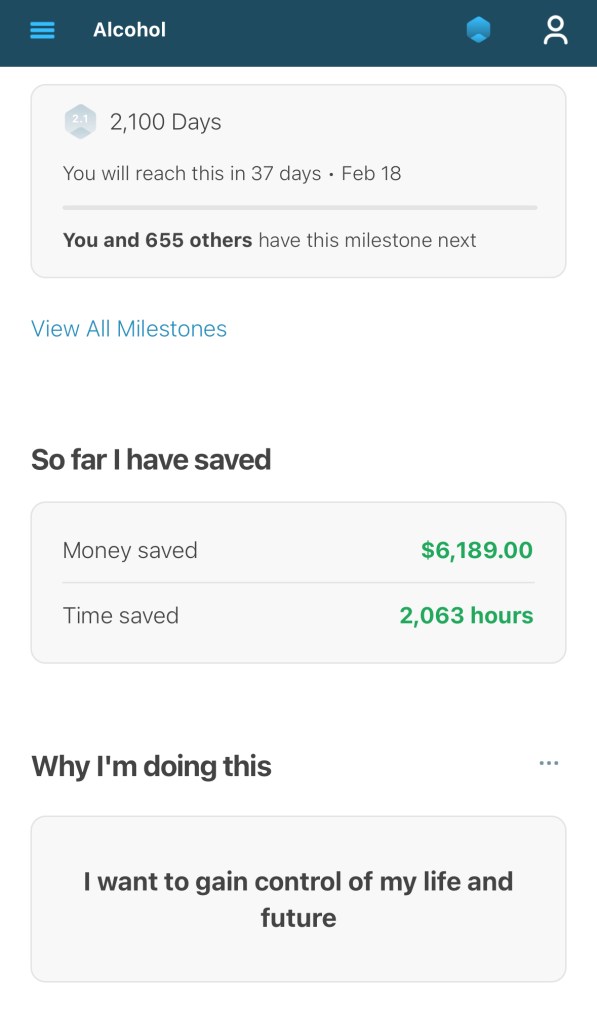
So, here’s my cautionary tale of how I sort of accidentally got addicted to a so-called “wellness tonic.” Yep, you read that right. Me, a person who’s been sober from alcohol for 5 years, 7 months, and 22 days, found myself hooked on a little bottle of liquid marketed as a health drink. I don’t even check my sober app anymore unless it’s my anniversary, but I logged in while writing this to confirm the exact number of days since I quit drinking. And there it was, staring me in the face: the reason I quit alcohol in the first place—“I want to gain control of my life and future.” Heartbreaking, right? Because here I am, realizing that these little bottles of Feel Free have done the exact opposite. They’ve taken away the control I fought so hard to gain.
What the Hell is Feel Free?
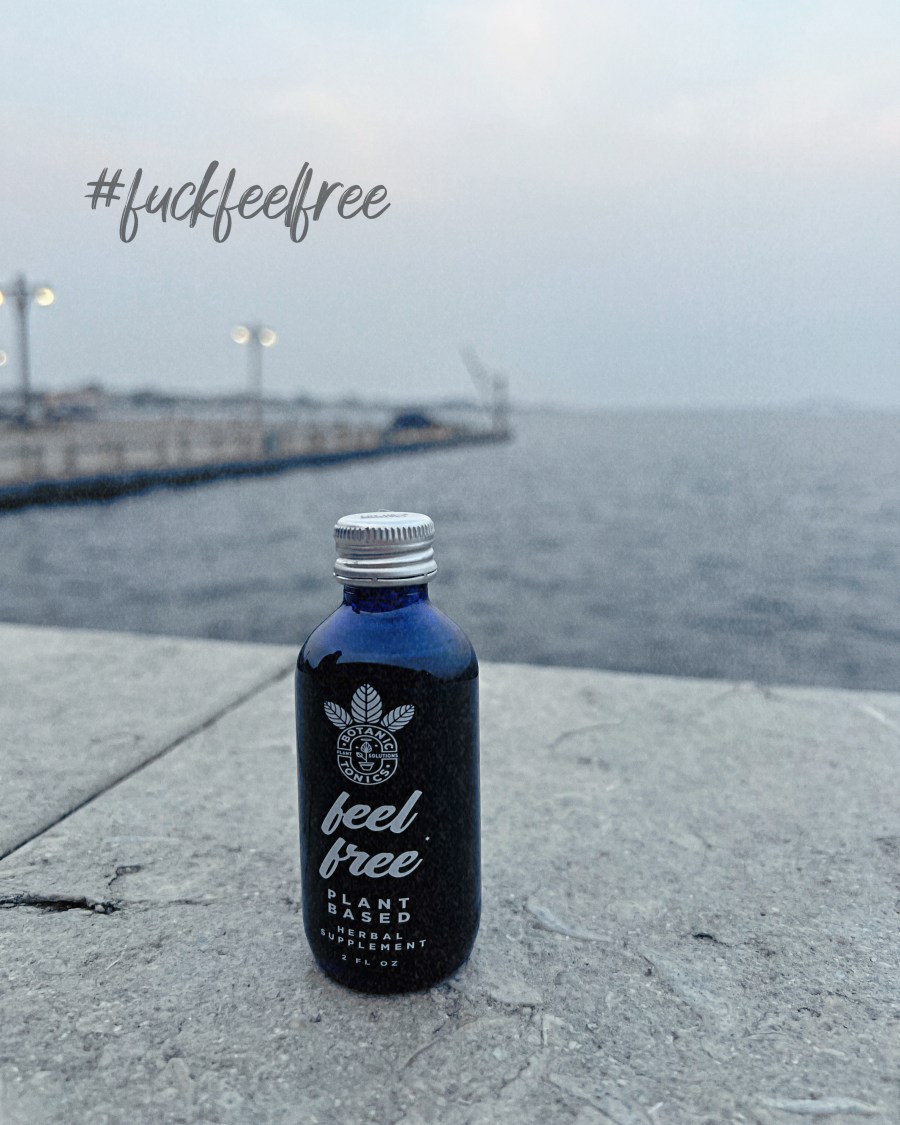
Before we get into the nitty-gritty, let me explain what Feel Free is. It’s a two-ounce tonic extract that combines two plants: kava and kratom. Both have been gaining popularity as alcohol alternatives, and while that sounds great in theory, there’s a darker side to this story.
Kava is known for its relaxing effects and is often brewed into teas or served at kava bars. It’s not addictive, and honestly, I still enjoy it from time to time. Kratom, on the other hand, is a different beast. It interacts with the same receptors in your brain as opioids and can be highly addictive. Spoiler alert: Feel Free contains kratom—and not just a little bit—but they didn’t exactly make that clear on the label for years. In fact, at one point, Feel Free didn’t even list kratom as an ingredient at all, making it impossible for people who were trying to educate themselves to know what they were consuming. A lawsuit has even claimed that Botanic Tonics advertised Feel Free as a “safe, sober and healthy alternative to alcohol” without clearly disclosing the side effects of kratom, leaving consumers unaware of the risks.
Oh, and there are rumors that Feel Free ferments their kratom, which allegedly makes it even more addictive. People have also claimed that kratom can cause false positives on drug tests for hard drugs like MDMA. Now imagine the chaos when you realize Feel Free was the official tonic of various college athletic teams—teams whose athletes are liable to be randomly drug tested. I believe those relationships have since ended, but still—wild.
How It All Started
My journey with kava and kratom began innocently enough. When I first quit alcohol, I discovered kava bars, and they were a godsend. On my first sober birthday, I dragged my friends to one in the city. It was the best birthday I’d had in years—just me, my crew, and a space where I could feel normal without alcohol. That night, I stuck to kava, but I noticed something intriguing behind the bar: a little bottle called “Stinger,” a kratom extract. I didn’t think much of it at the time, but that was my first taste of kratom.
Fast forward to a few years later, and kava bars started popping up in my area. I was excited to have a place nearby where I could grab fresh-brewed kava, which is way better than the instant powder I’d been ordering online. But then I saw they had kratom tea. I remembered liking the Stinger extract from before, so I gave it a shot. Literally. I even took home a growler of the tea that day, and it became a regular thing. I liked the energy boost it gave me, and for a while, it felt harmless.
Enter Feel Free
My first encounter with Feel Free was at one of these kava bars. The bottle claimed to contain kava and a “proprietary blend” of other plant extracts. What it didn’t clearly state was how much kratom was in it—or as I mentioned before, that kratom was even a main ingredient. This lack of transparency is what makes Feel Free feel so much ickier to me than other clearly marketed kratom products. They tried to market themselves as a kava-based wellness drink, conveniently glossing over the kratom content for as long as they could.
To make matters worse, combining kava and kratom can possibly amplify their effects, making the drink even more potent. And because kratom doesn’t make you appear “high” in the traditional sense, it’s an easy addiction to hide. Like I said, at a certain point, I did know there was a potential for risk with kratom, but I hadn’t shown any signs of a problem yet, so I convinced myself my issue must just be with alcohol. I was “California Sober,” meaning I still smoked weed and didn’t abstain from all substances that could alter my state. AA can be very strict about this. For example, kava wouldn’t be allowed if you wanted to be successful in AA, and that’s probably another reason why AA never worked for me. Some people wouldn’t consider me sober at all, and I always make the distinction that my sobriety is from alcohol. But I’ve learned that sobriety has many shades of gray, and I’ll never knock what works for someone else’s journey. At that point, I didn’t do any “hard” drugs and only had an issue with alcohol, so I didn’t see a problem with my occasional use of kratom.
At first, I thought I could manage it. I’d have a bottle here and there, usually at social events where I didn’t want to feel left out. I even served kratom tea at my wedding, thinking it was just another fun, harmless alternative. But soon, it became an everyday thing. Then multiple times a day. I started ordering capsules to use on days between trips to the kava bar, but eventually, I got tired of waiting for the mail. That’s when I discovered that every smoke shop in my area carried kratom, and not just the capsules or tea—I found kratom extracts. Extracts are exponentially more potent. The first one I tried was called OPMS, and they were $20 a pop. I told myself I’d only use them occasionally for parties or an energy boost, but it quickly escalated to daily use, then multiple times a day.
I told myself, “Shit, this is getting expensive, and I’m having way too much—I need to slow my roll.” Then, one day, I found a smoke shop that carried my old friend Feel Free. They were only $10 a bottle and also had kava, which I loved. At this point it was now known it contained Kratom, but I was still unclear on how much. I thought I’d be saving money by purchasing Feel Free and that it might help me taper down my use. But boy, was I wrong. My local smoke shop even started giving me deals on cartons because I was such a regular. If that’s not a red flag, I don’t know what is.
The Downward Spiral
Things really hit the fan on my honeymoon. I didn’t bring any Feel Free with me because, hello, they’re liquid, and I honestly wasn’t sure if kratom was legal in St. Thomas (fun fact: it’s not legal everywhere). But I had to have something, so I brought some kratom capsules, thinking they’d less risky to bring and be enough to tide me over. Spoiler: they weren’t. Capsules were actually the only form of kratom I could keep in the house for more than a few days without devouring them because, let’s face it, they just didn’t pack the same punch as the mysterious, turbocharged Feel Free proprietary blend. I didn’t realize how much of a drastic cutback the capsules would be, nor did it even cross my mind that I could go into withdrawal.
By the second night, I was a mess. I couldn’t sleep, my legs wouldn’t stop twitching (hello, restless leg syndrome), and I was drenched in sweat. At first, I thought it was just the tropical heat—I mean, I was in St. fucking Thomas, after all—but then it hit me: I was in withdrawal. Fucking kratom withdrawal. On my honeymoon. During the day, I managed to scrape by, convincing myself I was just sweating buckets because of the sun and humidity. Plus, I’d bought a pot brownie from a local, which I hoped would help me chill out. Spoiler again: it didn’t. If anything, it just made me feel like I was in some weird fever dream where I was simultaneously too hot, too twitchy, and too stoned to function.
The nights, though? Absolute hell. I tossed and turned, jolted awake with anxiety, and wrestled with legs that seemed to have a mind of their own. If you don’t know what restless leg syndrome is, go ahead and look it up—it’s like your legs are trying to moonwalk out of your body while you’re lying there helpless. I even tried popping Advil PM and melatonin to knock myself out, but fun fact: those can actually make withdrawal and RLS worse. Oops!
By the end of the trip, I was a shell of myself. The lack of sleep, constant sweating, and overall misery had started to pile up, and I was slowly becoming more and more miserable—on my honeymoon. It eventually dawned on me that it wasn’t just the heat or the travel stress. It was the fucking kratom. When I finally put two and two together, I told my husband, and we started doing some research. That’s when we learned more about kratom withdrawals and just how addictive it could be.
I made it about 15 days without kratom after that trip, and I even started sleeping again around day seven. I promised my husband I’d never touch kratom again because, understandably, he was worried. And I meant it—I really did. And I meant it—I really did. My husband had been with me through my alcoholic years as well as my sobriety journey, and it broke my heart to think he might have to go through it all over again. That year was packed with weddings and events, and I hadn’t yet learned how to socialize or party without my trusty Feel Free. In fact, one of the only reasons I’d gotten so comfortable with not drinking around others was because of kava and kratom. (And honestly, a part of me will always be weirdly thankful for that.)
So, come the first wedding after quitting, I caved. I told myself I’d just have one bottle of Feel Free for the event. Just one. But one turned into two, two turned into six, and before I knew it, I was back to hiding bottles, puking from overuse, and scoring deals on cartons at my local smoke shop like some kind of Feel Free VIP.
Things Started Getting Out of Control
At my worst, I was drinking six to eight bottles of Feel Free a day. I was hiding it from my husband, puking regularly, and draining my bank account. Despite all of this, I convinced myself it was helping me focus and giving me energy, though the reality was far different. My workouts were suffering, my body was shutting down, and I’d wake up every morning in withdrawal (just from taking 7hrs to sleep off) panicking if I didn’t have a bottle within an hour.
I had promised my husband I wouldn’t take kratom again, and it broke my heart to hide it from him. I tried tapering but couldn’t do it, and I was too scared to quit cold turkey after experiencing withdrawal before.
Eventually, I told my husband the truth and reached out to my old addiction therapist. We discussed options, and ultimately, we decided on medication-assisted treatment (MAT) with Suboxone. This was a big, controversial step as opinions are divided on MAT for kratom addiction. Some people swear by it, while others think it’s too extreme. But for me, it felt like the best option.
I’ll go into more detail about my experience with Suboxone and how it works in Part 2, but I’ll leave you with this: the Suboxone worked really well at first—until it didn’t. Somehow, because I’m me, I managed to relapse even while on MAT. What followed was a dark, painful cycle of trying to quit and falling back into addiction.
Final Thoughts (For Now)
If you’re struggling with kratom addiction—or any addiction—please know you’re not alone. I’ll share more about my journey with Suboxone and the dark cycles of relapse in the next post, but for now, I want to leave you with this: addiction doesn’t make you weak. It doesn’t make you a failure. It’s a battle, and it’s one you don’t have to fight alone.
It’s difficult to evaluate a psychiatrist during a 50-minute session — and then decide whether to see them again — when the real value of the relationship may come years and hundreds of sessions later. This problem becomes even more compounded because you rely on this person in order to get the medication you need to function like a halfway normal person.
Nobody brags about needing to be on anti-depressants. In fact, it’s still something that people feel the need to be hush. Because no one wants to be a failure, and the world has made it clear that people who are on antidepressants are somehow weak, even though it’s no more different than someone who might be prescribed insulin for diabetes. The truth is, sometimes our brains need a little help too. But that’s another thought for another time… what I wanted to talk about today is what to do when your relationship with your Doctor goes south (In a sense though, both topics go hand and hand).
There are no referees in the room; it’s just you, your psychiatrist, and whatever problems you’re facing or want to unpack. Sometimes, the relationship starts out great but erodes over time or lingers for years without inertia, or you call it off for small, seemingly silly reasons. And sometimes, there are incidences that lead to only one course of action. FInding a psychiatrist is hard. Finding one who takes your insurance is even harder. I had spent a little over 2 years with who I thought was the right Dr. I mean, we went through a fricken pandemic together, I thought we’d be in it for the long haul. I was wrong.
I had so much invested in the relationship at this point—money, time, and my innermost demons—that I didn’t want to rewind my progress or start over from square one. So when things got particularly nasty over an insurance situation I was hesitant to leave at first.
The problem was that she was out of network, but we had taken care of this issue right when I had begun seeing her. We had put in for a preauthorization to see her, which was approved by my insurance. At some point, I’m not sure when it was no longer approved by my insurance. There was some back and forth on this and we had both tried talking to my insurance and that is when things got nasty. The insurance company insisted it was because she had never put in for a new renewal for my visits and when I told her this she would get defensive and told me I wasn’t saying the correct things to the insurance company and that it was my fault.
I never felt like I could talk to her about the situation without being demeaned or being accused of doing something wrong. She told me several times that I wasn’t doing what she asked me to do but I never knew what that meant or how to respond because what she was telling would contradict the insurance. In one particular nasty text message, I got scolded for not getting the first and last name of the person I spoke with about my insurance. When I told her, they only provided a first name she scoffed at me. Later, when I inquired with my insurance on this they told me it was in fact a violation to give out first and last names.
I was crushed by her comments and stunned by how mean and insensitive she was being. After all the work we had done together around my issues, how could talk this way to me? It seemed like a cruel joke or a very insensitive mistake. I spent days agonizing over her text messages and every time she would reach out to me, it would end with me in tears and having a panic attack. Finally, it got to the point where I told her, I would do my best to try and figure this out, but afterward, we should end our relationship together. It wasn’t healthy for me and it was causing me distress and panic attacks. I won’t go into detail on how she responded to that, but spoiler alert, it was not well.
We ended up having one last “session” together because I think she realized that some of the stuff she was sending over text messages was not the most secure. The session ended with me in tears and slamming my laptop on my virtual appointment. I was happy I stepped away, but it left me feeling very shaken. I knew I had to end this toxic relationship, but now I also had to figure out how I was going to get my medication.
I was walking around trying to process it for weeks. Everybody I had talked about the situation to or shown the messages to were stunned. Luckily, I have a very good relationship with a therapist I’ve seen off and on for years. We set up a meeting to come up with a new game plan for my mental health. Unfortunately for me, not being on medication is not an option. A fact I still sometimes still have problems coming to terms with. I eventually came up with a solution for my situation because I really had no other choice- but it’s not ideal.
It empowering however and kind of cathartic to walk away. Often, it can be tempting to just resign ourselves to an inadequate level of support. We’ve been taught to never question the competence of our clinicians, without realizing that they aren’t always a good fit. You deserve a physiatrist or therapist that you like, respect, and who makes you feel good. If who you are seeing does none of these things for you, don’t settle for less. You are allowed to “fire” your physiatrist. And if it could improve your health, there’s no good reason not to.
Is it a coincidence that I haven’t written a blog post since being diagnosed with ADHD back in February? Probably not, but that’s not what I am here to talk about something. Today I wanted to write about something everybody, adhd or not, gets to experience from time to time, imposter syndrome. If you haven’t experienced this, I’d like to know where you get your confidence from, and if you have or liked to know what the heck I’m talking about continue reading below!
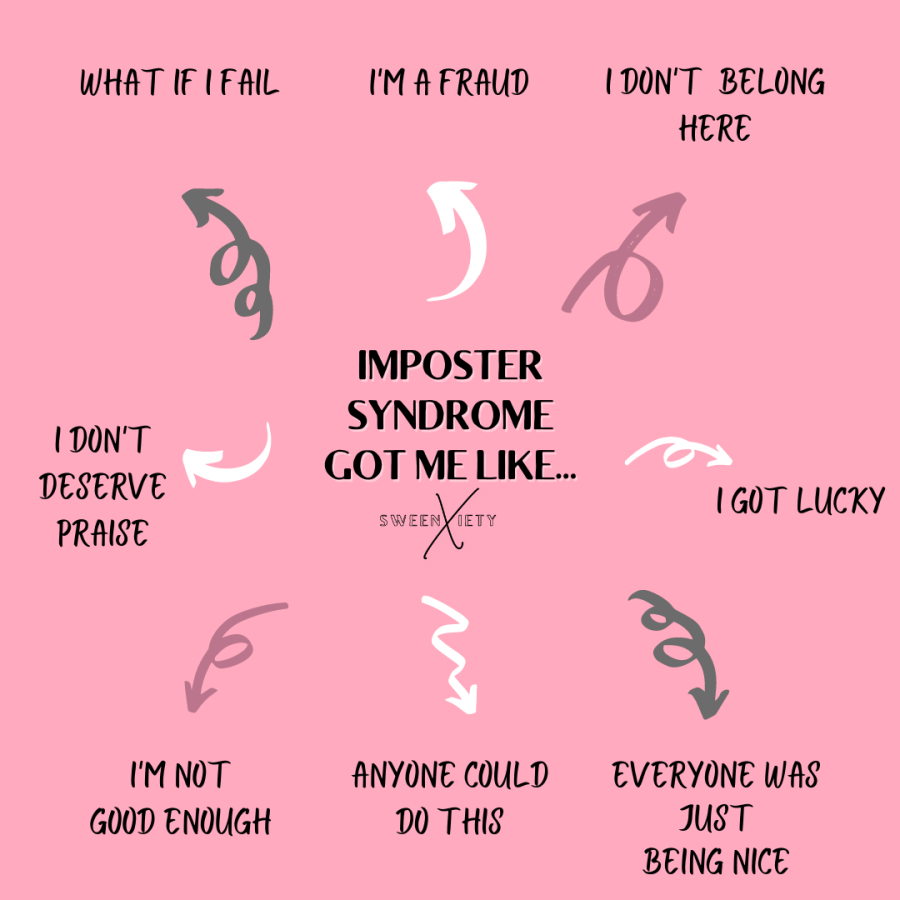
According to the first result I pulled up on google (lol) “Imposter syndrome, also called perceived fraudulence (how fancy!), involves feelings of self-doubt and personal incompetence that persist despite your education, experience and accomplishments. To counter these feelings, you might end up working harder and holding yourself to ever higher standards”. So in summary, it’s a mind fuck of your own creation. Do you ever feel like a phony? A fraud? That you don’t belong where you are? Guess what!?!?! Maybe its true (jk) or maybe you’re just experiencing imposter syndrome.
So this is all sounds pretty general, and I’m sure it’s possible to feel any or all of these things at a certain point without it falling into the realm of imposter syndrome. The biggest problem with imposter syndrome though is that the experience of doing well at something does nothing to change your beliefs.
Recently I found out that imposter syndrome and adhd is a common pairing (along with adhd and anxiety…. and adhd and substance abuse… welp guess that makes sense). For me, I recognize that my struggles with executive functioning (i.e staying organized, planning multi- tasking ect) often times make me feel like a failure. Is there something going on in your life you can identify that makes you feel this way? It’s important to remember that “The Real You” is full of amazing qualities too.
This can hard when in the thick of some serious negative self talk, but here are some ways to help combat falling into the trap of imposter syndrome.
Separate feelings from fact
Develop a healthy response to failure and mistake making
Know the signs
Be authentically you
Give it Name
Get comfortable with saying “I don’t know”
Track and Measure your successes
Practice self love, grace and kindness
Know you’re not alone
Imposter syndrome can make you feel inadequate. Practice some of the tips above and see how they work! My biggest bit of advice however, is just to acknowledge it and learn more about yourself and how it affects you. If you’re lying to yourself out of dear or shame, you’re lying to everyone else too. When you embrace yourself, how can you be considered an imposter?
Just reading the term “ADHD” elicits imagery of the little boy who cannot sit still in class… you know the one. The annoying kid who gets in trouble for not paying attention in class and getting distracted by squirrels. If you do not fit the the preconceived stereotype of what people think ADHD is, then there can’t be anything wrong with you because I mean… who doesn’t get distracted every once and while?
These outdated stereotypes especially affect woman. So many girls/ woman go undiagnosed because we don’t show symptons the same way as our hyperactive male counterparts, Leading us to feel hopeless, ditzy, dumb, depressed and/or anxious. Sounds fun right?
I have been in and out of therapy for anixiety, depression and even substance abuse for yearsssssss and I have been on almost every type of ant-depressent under the sun. Guess what I was never diagnoised with until the age of 33? A diagnoisis that literally makes all the other things I went to therapy for make sense…. oh yea ADHD. Now, the more I read and find out about ADHD I find that there are so many woman in the same position I am. We’re part of the late diagnosis club.
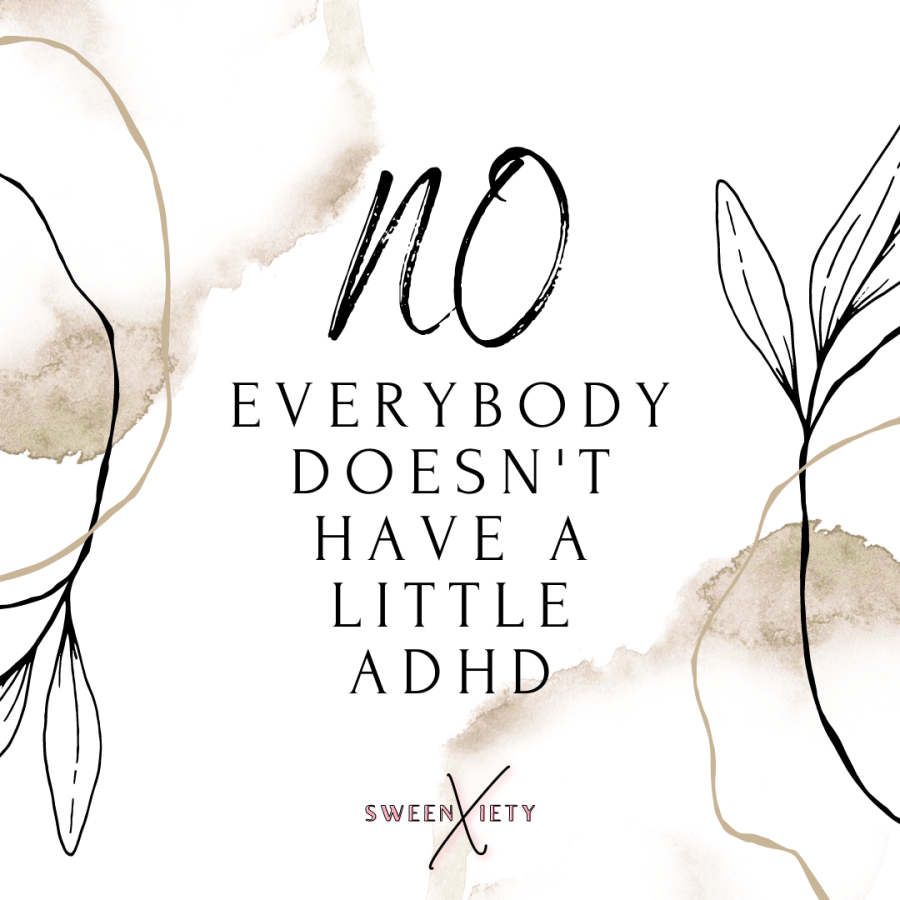
Getting this diagnosis was so liberating for me. In a weird way I was actually excited to tell people, almost as if it provide them with as much of an A-HA moment for them as it did me. Like… OH that’s why Kristen is the way she is, huh? I’m not really sure why I expected this or for people to care, but it honestly felt important to me to share. Instead I was met with confusion and blank stares. “Everybody has a little ADHD” I was told. I wanted to literally wanted to scream. Like this thing that has impacted every part of my life boils down to just being a little distracted sometimes?
SO what does ADHD looks like in adults anyways?… Well here are some of the symptoms:
Impuslsitivy & Resltlessness
Low Frustration Tolerance
A hard time reading
Daytime sleepiness
Multitasking issues
Poor prioritisation
Missing deadlines
Disorganization
Putting off tasks
Hyper focus.
Just to name a few. The best way I can describe it is feeling chronically overwhelmed. It’s exhausting and I’m far past being just tired. Luckily I’m taking steps to try to manage and better understand my diagnosis, but if the meantime ya’ll could stop gaslight… that would be great, thanks.
Listen, nobody wants to be on anti depressants but I am one of those people who truly believes some people need to be on them. Anti-depressants get a bad rap, and like depresssion itsef, are highly stigmatized. Listen to me carefully though… it is NOT giving up to take medication. Got it? Good. No pill shaming here!
I actually am a huge advocate of holistic health and alternative medicine. However, for me it did not help with my anxiety or depression. If you decide to take that route, great, just make sure you talk through your options with a professional. 🙂 Which brings me back to the subject of this post… Virtual Medication Management.
So I’ve been on and off anti-dressants for the better part of my early adult life (early 20’s-30’s) and I have been through my fair share of trial and error, dose adjustments ect. Its a very personal journey and never one I thought I’d be taking online during a pandemic!!! After I quit drinking and started to really take of myself I made it a point to stabilize my medication. I actually had no idea at the time what Doctor has even initially pescribed me the medication I had been on for years. When I would get a text from my phramacy that I needed a refill I’d just cross my fingers that one would go through.
I finally found a doctor I liked and so we started working together to evaluate what I was currently on, if it was the correct thing and how to manage my anxiety and depression. Fast forward to the mess that is 2020 and we’re still working together, only now its virtually. The hardest thing for me isn’t not seeing my doctor face to face though, that part is actually pretty easy. It’s navigating how effective my medication is during a pandemic. I really should’ve titled this “Medication Management…during a Pandemic” but I’ve used the “…during a Pandemic” tag line for like my 5 last posts. So it is, what it is and what it is…is fricken hard.
0 out of 5 stars I do not recommend adjusting your medication during a pandemic, unless its necessary and for me it is. It’s like how am I supposed to know if I am having medication side effects or pandemic induced depression? Am I more anxious now because I started a new job or because my medication sucks? Its can be hard to interpret your mood when so much is going on in the world and your life. The key is knowing that a pill is not magically and will never fix everything. I’ve started to become more intutitve when it comes to knowing what is normal anxiety vs. the type I need to address with my doctor. Of course thats a little harder to decipher with everything going on, but all I can do is try.
And at the end of the day that is all any of us can do… try. So whether you’re on anti-depressants or not… clinically depressed or situationally depressed, anxious or numb just try (I know it’s not that easy). Reach out to a friend, reach out to family or work with a professional because its more important now than its ever has been. It is not a waste of time. It is essential.
Raise your hand if you’ve been indefinitely furloughed during Covid-19. I bet it has been a lot of you, myself included, so I know firsthand how much it sucks! Sure it was kind of fun at first. I enjoyed having no work obligations while being blissfully unaware of my soon-to-be dire financial situation because I was receiving that neat extra $600 a week. Flash forward to 7 months later and all I can say is… ugh.
I severely underestimated the role routine plays in my mental health. Having an infinite amount of time on your hands is honestly stressful AF. I’ve been attempting to achieve some normalcy to my days but it’s not as easy as you may think. I get super stressed out thinking of ways to fill my free time and I feel guilty when I feel I am not doing “enough”. I’m pretty sure I thought I’d be Rembrandt by now, reaping in the benefits of having an abundance of hours for self-improvement. However, here I sit typing this with no new skill-sets that I can think of. Oops. On the flip side outwardly, I definitely think I’ve experienced a quarantine glow up. Remember that thing I was saying about needing routine? Well, I’ve replaced it with working out. Now before you get jelly, I just wanted to include the disclaimer that I’m fairly certain I’ve developed an unhealthy obsession. Sometimes the only thing I know what to do with myself is to work out. Read a book? Nah… let’s take my 10th yoga class of the day instead. Trust me, It’s not as zen as you may think.
Inbetween my endless amount of exercise, however, I have found time to apply for new jobs. How many jobs have I applied to you asked? So far, 57. How many interviews have I had? 2. And don’t get me started on how many times per day I refresh my email checking for interview requests and/pr callbacks.
The whole process is miserable. Believe it or not, for someone with anxiety, I am actually pretty good at interviewing. Although I definitely do analyze in my head every word I said over and over once the interview is finished. What really is breaking me though is not getting interviews. I understand the job market is a little… errr…rough right now but why wouldn’t anyone want to give the girl who just figured her shit out a chance? But seriously… I suppose my resume is a bit all over the place, but how was I supposed to know a pandemic was going to hit once I found a fulfilling job that I loved and truly respected me as an employee? I promise this last job was going to be the one that said I had been there for like 5 years… so why don’t you take my word for it and interview me…or better yet hire me? Please?!?!? Cause I am stared to get very worried.
How is everyone else handling finding work during these strange times? Feel free to reach out because I’d love to know. And if you know anybody whose hiring….. I’m SUPER availavbile! 😉








 SweenXiety